
Typical Danish Cuisine: Discover Local Specialities and Flavours
What defines typical Danish cuisine? This article shows which dishes, ingredients and eating habits shape Denmark and what culinary experiences travellers can expect.
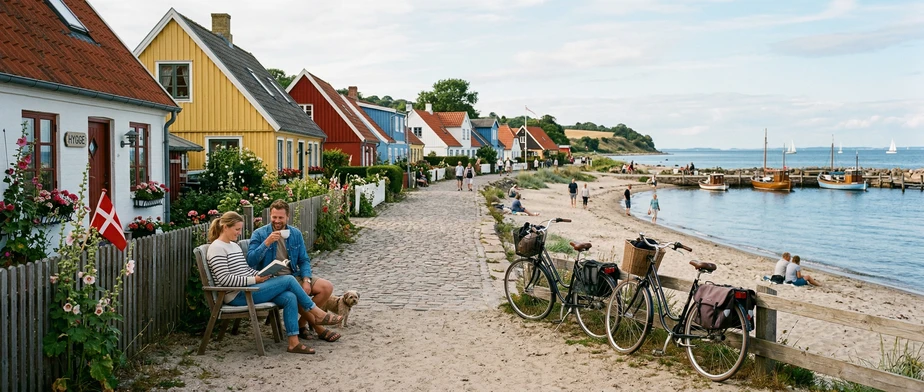
At first glance, Danish cuisine seems quite simple. That is exactly where its charm lies. It focuses on good ingredients, clear flavours and dishes that are filling without being complicated. Anyone who wants to discover typical Danish food will not find opulent haute cuisine, but a down-to-earth food culture with bread, fish, meat and seasonal produce.
The cuisine is also shaped by the country’s closeness to the sea. Fish has long played a central role in Denmark. At the same time, pork, potatoes, cabbage and dairy products are a natural part of everyday cooking. Many dishes are hearty, straightforward and closely linked to the rhythm of the seasons.
Smørrebrød as a culinary symbol
Hardly any dish represents Denmark as clearly as Smørrebrød. These are open sandwiches, usually served on dark rye bread. Traditionally, butter is spread on the bread first, followed by toppings such as fish, meat, cheese or vegetables.
What is typical is not only what goes on top, but also how it is presented. Smørrebrød is often carefully arranged and turns something everyday into a conscious moment of pleasure. Variants with pickled herring, egg, roast beef or potatoes are especially popular. This blend of simplicity and attention to detail is very characteristic of Denmark.
Hearty, seasonal and close to everyday life
Danish cuisine relies on ingredients that are local, keep well and can be used in many ways. These include in particular:
- Rye bread
- Potatoes
- Herring and other types of fish
- Pork
- Cabbage and root vegetables
- Butter, cheese and cream
Many traditional dishes are well suited to the cool climate. They are warming, filling and often easy to prepare in advance. This helps explain why stews, roasts and simple pan dishes still have a firm place in Danish food culture today.
Sweet treats are part of everyday life
Alongside savoury dishes, Danish baking traditions play an important role. Sweet pastries, fine baked goods and small indulgent moments in between are taken for granted. Especially with coffee, a side of Danish cuisine appears that feels cosy, warm and welcoming.
This matches the image many people associate with Denmark: calm, simplicity and quality. Food here is often not a grand event, but a natural part of a pleasant day.
What travellers can expect to eat in Denmark
Those spending their holidays in a holiday home in Denmark can explore the national cuisine in a relaxed way. At markets, in supermarkets or while cooking together, it is easy to try many typical ingredients. That is a key part of the experience. You do not need elaborate recipes to get to know Danish food.
Denmark is known for a cuisine that comes across quietly yet has a clear character. It is honest, practical and still full of flavour. Anyone who values simple dishes made with good ingredients will find much that feels familiar in Denmark and still discover something new.
More articles
Danish Cuisine: Enjoyment and Cooking on Your Denmark Holiday
Danish cuisine combines Nordic tradition with fresh ideas. Discover typical dishes, food culture and culinary inspiration for your holiday in Denmark.
Discover Denmark’s Culinary Highlights
Discover Denmark’s culinary highlights: traditional specialties, Nordic cuisine, fresh ingredients and authentic moments of enjoyment between market, harbor and restaurant.
Danish cooking: Discover treats in your holiday home
Danish cuisine makes a holiday home stay special. Discover hearty classics, sweet treats and culinary traditions from Denmark.
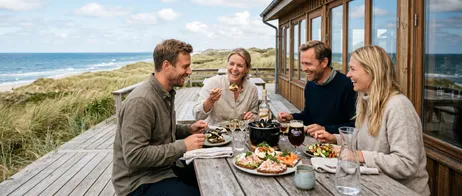
Restaurants in Denmark: culinary highlights for your holiday
From fine dining to relaxed cafés and snack spots: discover what makes restaurants in Denmark special and how to find the right culinary stops for your holiday.
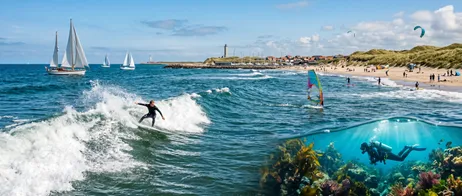
Watersports hotspots in Denmark: surfing, sailing and diving
Denmark inspires with surfing, sailing, kitesurfing and diving, plus varied watersports adventures on the North Sea and Baltic Sea coasts.

Experience Family-Friendly Activities in Denmark
Denmark delights families with child-friendly beaches, amusement parks and varied holidays full of adventure.
